De tactische basis: Een premium tactische zaklampfabrikant vinden voor extreme overleving
De recoil-realiteit: waarom "helder" niet betekent "tactisch"
In de hooginzetsectoren als defensielogistiek, toeleveringsketens van wetshandhaving en distributie van tactische uitrusting maken inkoopprofessionals vaak de fout om verlichtingsapparatuur uitsluitend te beoordelen op hun piek-lumenoutput. Veel generieke buitenbranders worden op de markt gebracht als tactische apparaten, simpelweg omdat ze zijn afgewerkt in matzwart aluminium. In echte tactische omgevingen—vooral wanneer ze op wapens zijn gemonteerd—falen deze consumentenmodules snel. Bij de gewelddadige, plotselinge G-krachtversnelling van de terugslag van het vuurwapen zullen standaard elektronische drivers, slecht gegoten printplaten en fragiele soldeerverbindingen van componenten gemakkelijk breken, wat leidt tot plotselinge apparaatuitval op kritieke momenten.
Bovendien gebruiken standaard consumentenlampen enkelveer of eenvoudige solid-contact batterijcompartimenten. Bij zware terugslag of fysieke stoten zal een configuratie met één veer tijdelijk samendrukken, waardoor de accu losraakt van de contactpunten van het aandrijfbord. Deze korte onderbreking van de elektrische stroom kan ervoor zorgen dat de microcontroller uitvalt, van modus wisselt of uitgangsniveaus overslaat, wat een gevaarlijk risico is tijdens een tactisch gevecht met hoge stress. Om operationele veiligheid te waarborgen, moet een professionele **tactische zaklampfabrikant** robuuste dubbelveer schokdempende systemen ontwerpen met zware, verguld geplateerde koperlegeringsveren op zowel de kop- als achterinterfaces om de accu veilig te houden onder zware terugslag.
Om extreme schokken en trillingen te weerstaan, moet de interne elektronische driver van een professioneel tactisch licht ook volledig worden vergoten met een hoogdichte, thermisch geleidende epoxyhars. Dit pottingproces omsluit de hele driverplaat, versterkt de spoel-, condensator- en MOSFET-verbindingen tegen G-krachtschade en fungeert als extra warmtepad om thermische energie van het circuit af te voeren. Elke **tactische zaklampfabriek** die vertrouwt op onverbloemde, openlucht printplaten voldoet niet aan de eisen van professionele militaire en wetshandhavingsinstanties, omdat deze ontwerpen zeer kwetsbaar zijn voor de constante schok van hoge kaliber terugslag.
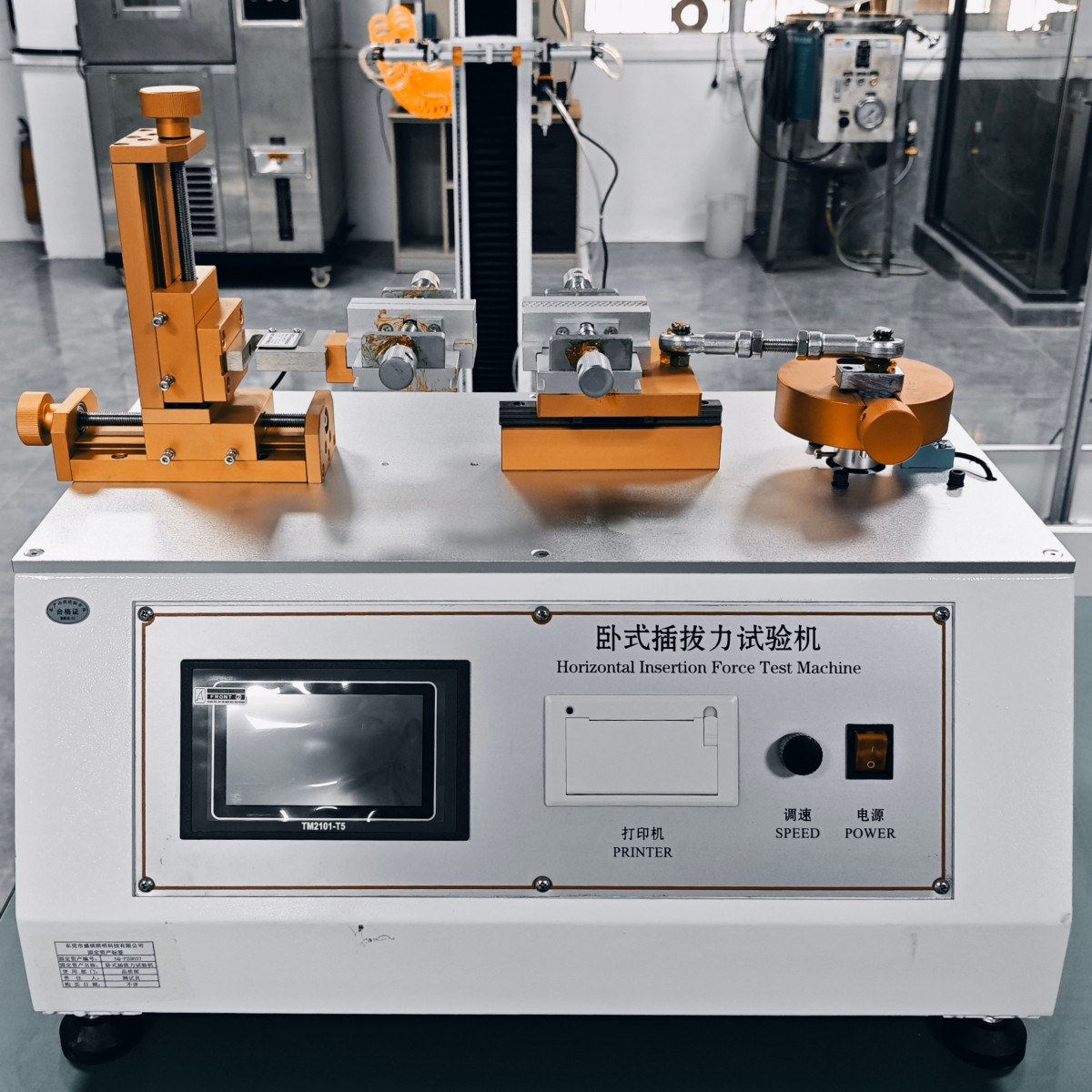
Inkoopafdelingen moeten strikte schoktestprotocollen opstellen tijdens hun leveranciersevaluaties. Een gekwalificeerde **tactische zaklampfabrikant** maakt gebruik van uitgebreide high-impact testfaciliteiten om hun ontwerpen te onderwerpen aan geautomatiseerde droptests en gesimuleerde wapenterugslagprofielen (meestal meer dan 1.000G piekversnelling). Het aandringen op deze rigoureuze, gedocumenteerde tests is essentieel om de reputatie van uw merk te beschermen, frontlinieofficieren te beschermen en ervoor te zorgen dat elke partij tactische verlichtingsapparatuur betrouwbaar presteert onder druk in het veld.
Directe onderdrukking: LUMINUS LEDs en de tactische gebruikersinterface
Bij tactische operaties van dichtbij bij weinig licht is de eerste lichtflits niet alleen bedoeld voor navigatie; Het functioneert als een niet-dodelijk hulpmiddel om een tegenstander tijdelijk te desoriënteren en te onderdrukken. Om deze directe optische onderdrukking te bereiken, zal een premium **custom tactische fakkelfabrikant** high-performance emitters zoals de LUMINUS SFT40 of SST40 LED integreren. Deze geavanceerde solid-state emitters zijn ontworpen met een lage thermische weerstand en een hoge lichtdichtheid, waardoor ze direct een geconcentreerde bundel van meer dan 2.000 lumen kunnen projecteren. Deze krachtige straal kan worpafstanden van meer dan 600 meter bereiken, waardoor agenten een hoog situationeel bewustzijn behouden en diep in donkere gebouwen of beboste gangen kunnen kijken.
Even cruciaal is het ontwerp van de tactische gebruikersinterface (UI). In een stressvolle situatie zijn fijne motoriek aanzienlijk achteruitgegaan, en kan een operator zich niet veroorloven om te prutsen met complexe meertrapsschakelaars of door meerdere modi te schakelen om de juiste uitgang te vinden. De tactische gebruikersinterface moet ontworpen zijn voor eenvoudige, intuïtieve bediening onder druk. Inkoopprofessionals moeten een momentair-aan voorste staartkapschakelaar nodig hebben die directe toegang tot maximale output biedt, of een hoogfrequente stroboscopmodus met een eenvoudige druk. Deze directe toegang tot licht met hoge intensiteit kan tijdelijk het nachtelijke zicht van een tegenstander verstoren, waardoor tactische teams een cruciaal voordeel krijgen bij binnenkomsten van dichtbij.
Bovendien moet de balkgeometrie worden geoptimaliseerd om de worpafstand en perifere waarneming in balans te brengen. Om deze balans te bereiken, zal een geavanceerde **tactische zaklampfabriek** op maat gemaakte diepe parabolische reflectoren gebruiken. Deze reflectoren focussen het licht in een hoog-candela, geconcentreerde centrale hotspot voor maximale spreiding, terwijl een gecontroleerde hoeveelheid overstromend licht de omgeving verlicht. Dit profiel van de gebalanceerde balk helpt operators hun directe omgeving bewust te houden zonder constant met het licht te hoeven draaien, wat cruciaal is voor de veiligheid tijdens teamruimingsoperaties.
Bij het screenen van potentiële productiepartners moeten inkoopmanagers zorgvuldig de programmering van de drivers en interface-ergonomie van de monsterunits evalueren. Een professionele **tactische zaklampfabrikant** vermijdt het integreren van onnodige modusgeheugenlussen of verborgen programmeercycli in hun primaire tactische lampen. De gebruikersinterface moet schoon, voorspelbaar en robuust blijven, zodat het licht precies werkt zoals bedoeld elke keer dat de schakelaar wordt ingedrukt, en zo uw gebruikers beschermen tegen gevaarlijke complicaties in veldomstandigheden met hoge stress.
Pantser voor het Donker: 6063 Aluminium en Type III Hard Anodiseren
De fysieke eisen die aan tactische uitrusting worden gesteld in wetshandhavings- en militaire omgevingen zijn uitzonderlijk hoog. Een tactisch licht moet zowel dienen als secundair verdedigingsmiddel als betrouwbare raambreker tijdens voertuigextracties of noodkamers. Als een fabrikant zijn behuizingen bouwt van laagwaardige, dunne aluminium gietstukken of onbehandelde metalen, zal de carrosserie gemakkelijk deuken, vervormen of barsten bij zware slagen. Deze structurele fout kan het accucompartiment verpletteren, de schroefdraad van de achterklep vastzetten of de voorlens verbrijzelen, waardoor het gereedschap nutteloos wordt in kritieke situaties in het veld.
Om een hoge duurzaamheid te garanderen, zal een gekwalificeerde **politie-zaklampleverancier** hun behuizingen bouwen uit massieve staven van een aerospace-grade 6063-T6 aluminiumlegering met behulp van geavanceerde, geautomatiseerde bewerkingsprocessen. Deze lucht- en ruimtevaartkwaliteit CNC-bewerkingscentra snijden de unibody-behuizing met dikke, versterkte wanden, met aangepaste antislip-knullpatronen en een geïntegreerde gekantelde slagbezel aan de kop. Dit unibody-ontwerp levert uitzonderlijke structurele sterkte en impactbestendigheid, doorstaat zware valtests en fysieke inslagen moeiteloos, terwijl het de kwetsbare interne optiek en elektronica beschermt tegen schade.
Daarnaast moet de bewerkte aluminium behuizing worden behandeld met een militaire Type III hard-anodized afwerking (conform de MIL-A-8625 normen). Dit elektrochemische proces creëert een saffierharde aluminiumoxide buitenlaag met een dikte van meer dan 50 micron. Deze dichte, niet-reflecterende coating biedt uitstekende weerstand tegen corrosie, krassen en chemische slijtage, beschermt het ruwe aluminium eronder tegen de corrosieve effecten van zweet, zout water en reinigingsmiddelen, terwijl het licht zijn laagzichtbare profiel in het veld behoudt.
Inkoopafdelingen moeten de metallurgische normen en anodiseringskwaliteit van hun leverancier verifiëren door hun materiaalcertificeringen en impacttestprotocollen te beoordelen. Een betrouwbare **tactische zaklampfabrikant** test hun ontwerpen in uitgebreide high-impact testfaciliteiten om een minimale impactbestendigheid van 2 meter te garanderen. Inkopen bij een fabriek die haar CNC-bewerkings- en anodiseringslijnen direct in eigen huis aanstuurt, is de beste manier om uw toeleveringsketen te beschermen tegen materiaalgebreken en ervoor te zorgen dat uw producten de robuuste, duurzame prestaties leveren die wetshandhavers vereisen.
Overleven van de overstroming: De niet-onderhandelbare IP68-standaard
Wetshandhavings-, tactische en zoek- en reddingsteams opereren vaak onder extreme weersomstandigheden, waaronder stortregens, overstroomde kelders en modderige waterwegen. In deze omgevingen veroorzaakt elk water dat de behuizing binnendringt snel kortsluitingen op het stuurbord of corrodeert het de accucontacten, wat leidt tot plotselinge uitval van het apparaat. Het inschakelen van een tactische lamp met onvoldoende afdichting vormt een aanzienlijk risico, omdat generieke waterbestendige classificaties niet de bescherming bieden die nodig is om langdurige blootstelling aan hogedrukwater of diepe onderdompeling te overleven.
Om betrouwbare, all-weather prestaties te garanderen, moet een professionele **tactische zaklampfabriek** haar behuizingen ontwerpen zodat ze voldoen aan een echte IP68-toegangsbeschermingsnorm. Deze hoge beoordeling vereist dat de optische bezel, carrosserieverbindingen en staartdopschroefdraad worden afgedicht met op maat gemaakte, hoogduurzame fluorosiliconen O-ringen. Deze pakkingen moeten worden behandeld met hoogviskeuze hydrofobe vet om een veilige, dubbellaagse barrière te creëren die zowel hogedrukwater als microfijne stofdeeltjes tegenhoudt om het binnenste te bereiken, waardoor een waterdichte afdichting onder extreme hydrostatische belastingen behouden blijft.
Een echte IP68-certificering vereist dat het apparaat volledig functioneel blijft terwijl het meer dan een uur ondergedompeld is in water op een diepte van 2 meter. Het bereiken van deze standaard vereist nauwkeurige engineering en strakke productietoleranties over alle fysieke verbindingen. De glazen lens, aluminium rand en staartkap moeten met toleranties onder 0,02 mm in elkaar passen om ervoor te zorgen dat de O-ringen gelijkmatig worden samengedrukt, zodat er geen openingen of uitlijningen onder diepe waterdruk kunnen ontstaan waardoor water de afdichtingen kan binnendringen.
B2B-inkoopprofessionals moeten de waterdichtingscapaciteiten van hun leverancier bevestigen door hun kwaliteitscontrolesystemen en interne testapparatuur te beoordelen. Een toonaangevende **tactische zaklampfabrikant** zal geavanceerde hogedrukwaterkamers gebruiken om de afdichtingsintegriteit van elke productiebatch te testen, zodat alle verzonden units voldoen aan de strikte IP68-normen. Inkopen bij een fabriek die 100% waterdichte tests uitvoert is de enige manier om uw merk te beschermen tegen hoge retourpercentages en ervoor te zorgen dat uw producten betrouwbaar presteren onder de meest veeleisende veldomstandigheden.
Uw tactische merk veiligstellen met een betrouwbare OEM tactische verlichtingspartner
Voor wereldwijde defensiedistributeurs, leveranciers van politieapparatuur en premium tactische merken is het kiezen van een primaire productiepartner een strategische beslissing die direct invloed heeft op het vertrouwen van de klant en de algehele merkwaarde. De markt voor tactische uitrusting vereist apparatuur die betrouwbaar, duurzaam en gebouwd is volgens hoge standaarden. Het leveren van slecht ontworpen gereedschappen die onder stress falen, kan leiden tot negatieve gebruikersrecensies, hoge retourpercentages en mogelijke veiligheidsrisico's, wat het belang van samenwerking met een betrouwbare, kwaliteitsgerichte fabrikant benadrukt.
Een echte productiepartner moet robuuste technische ondersteuning bieden, waaronder aangepaste ontwerpoptimalisatie, aangepaste driver-UI-programmering en snelle prototypingmogelijkheden. In industriële markten met een grote mix en lage volumes moeten distributeurs vaak functies zoals aangepaste anodisatie, geïntegreerde wapenmontagegeometrieën en dual-source opties (zoals wit licht en infrarood LED's) aanpassen zonder gedwongen te worden tot enorme eerste bestellingen. Een hoogwaardige **politie zaklampleverancier** uitgerust met geavanceerde CNC-bewerkingscentra kan productielijnen snel aanpassen en hoogprecisiemonsters leveren, waardoor merken nieuwe producten kunnen testen en lanceren met minimaal marktrisico.
Daarnaast is consistente kwaliteitscontrole de basis van elk succesvol B2B-partnerschap. Een toonaangevende fabrikant moet de volledige productieworkflow beheersen, van de eerste bewerking en anodisering tot optische assemblage in cleanroom en waterdichte testen. Door deze kritieke processen intern te beheren, kan het engineeringteam de toleranties in elke fase monitoren, de retourpercentages (RMA) laag houden en ervoor zorgen dat elke batch zaklampen consistente, hoogwaardige verlichting levert die voldoet aan de strengste veldeisen [1].
Bij Shengqi Lighting combineren we decennia aan uitgebreide technische ervaring met geavanceerde, geautomatiseerde assemblage en strikte kwaliteitscontrole [1]. Onze interne R&D-, verspanings- en testmogelijkheden stellen ons in staat om op maat gemaakte, hoogwaardige verlichtingstools te ontwikkelen die voldoen aan de strengste veldeisen [1]. Of u nu uw bestaande gereedschapscatalogus wilt uitbreiden of een nieuwe lijn tactische lichten met hoge duurzaamheid wilt ontwikkelen, ons engineeringteam staat klaar om op maat gemaakte oplossingen te leveren die uw bedrijf helpen slagen.
Klaar om het volgende tactische licht van je merk te ontwerpen?
Stop met het riskeren van de reputatie van je merk met goedkope drukwerk en ongeverifieerde tussenpersonen. Werk samen met het engineeringteam van Shengqi om op maat gemaakte, CNC-bewerkte, gepotte tactische zaklampen te bouwen die ontworpen zijn voor absolute betrouwbaarheid en extreme impactoverleving.
Raadpleeg onze Tactical Light Design Engineers